
In This Article
Somewhere between the fragrance counter and your bathroom shelf sits a small graveyard of bottles you were excited about for exactly one wear. That £70 mistake taught you something useful, though: an everyday perfume for women isn’t the same job as a special-occasion scent, and shopping for both the same way is how bottles end up gathering dust. An everyday perfume for women is a fragrance formulated and worn for regular, low-key daily use — light-to-moderate in projection, comfortable in an office or on public transport, and forgiving enough to wear five days a week without becoming exhausting to smell or to your colleagues. That’s the whole brief, really: something you can put on without thinking twice.
Britain’s fragrance habits are distinctly practical. We’re not typically spraying on a statement oud before a 7:42am commute into Waterloo. What most of us want is a bottle that survives a full working day, doesn’t clash with the office coffee machine, and still feels like “us” rather than a costume. That’s a narrower, more specific ask than “best perfume,” and it’s exactly why generic top-ten lists tend to let people down — a fragrance that wins at a red-carpet event can be genuinely wrong for a Tuesday spent at a desk.
This guide takes a research-led, honest approach: real products with real specifications, aggregated genuine review sentiment (clearly flagged as such, never invented), and analysis that explains what a note or a concentration actually means for how a scent behaves on your skin during an ordinary day. Even beauty editors who test dozens of releases every year tend to agree that long-lasting, non-polarising and genuinely wearable beats impressive-but-fleeting every time. We’ve covered budget, mid-range and premium options, plus a niche pick for anyone bored of the mainstream shelf. By the end, you should know exactly which of these seven is worth your money — and why.
Quick Comparison Table
| Category | Pick | Fragrance Family | Best For |
|---|---|---|---|
| Best overall everyday scent | Marc Jacobs Daisy Eau de Toilette | Fruity floral | Balanced daily wear, all seasons |
| Best budget pick | Ariana Grande Cloud Eau de Parfum | Musky floral gourmand | First fragrance, teens, tight budgets |
| Best office-safe classic | Chanel Chance Eau Fraîche | Fresh floral | Meetings, shared workspaces |
| Best skin-close layering scent | Jo Malone London Peony & Blush Suede | Floral musk | Reapplying through the day |
| Best long-lasting sweetness | Lancôme La Vie Est Belle | Floral gourmand | Cold-weather everyday wear |
| Best modern signature scent | Yves Saint Laurent Libre | Floral lavender | Confident, distinctive daily wear |
| Best niche/minimalist pick | Escentric Molecules Molecule 01 | Woody musk (single-note) | Skin-scent lovers, layering base |
Reading this table left to right rather than top to bottom tells you more than the ranking does: the spread from Ariana Grande Cloud to Yves Saint Laurent Libre covers roughly a fourfold price difference, yet all seven are genuinely wearable Monday to Friday. Price, in other words, tracks brand and ingredient concentration far more than it tracks suitability for everyday life — a £35 bottle can be exactly right for a commute, and a £95 one can be wrong for it. The “Best For” column is doing the real work here: match your actual week (office, gym run, school pickup, client meetings) to the use case rather than the price tag, and you’ll narrow this list to two or three contenders before you’ve read a single review.
💬 Already got a favourite family in mind? Jump to the product that matches it below — every pick links through to current stock and pricing.
Top 7 Everyday Perfumes for Women: Expert Analysis
1. Ariana Grande Cloud Eau de Parfum — best budget-friendly gourmand musk
Ariana Grande Cloud Eau de Parfum built its popularity on a genuinely clever trick: it smells expensive-adjacent without an expensive-adjacent price tag. The opening is lavender and pear, but it’s the coconut-cream and praline dry-down that people actually remember. In practice, this means the scent reads soft and slightly sweet rather than sharp — closer to a bakery than a florist, which is exactly why it works for daytime wear without overwhelming a small office. Based on the spec comparison with pricier musky florals, the trade-off is longevity rather than character; expect it to fade to a skin-close whisper by mid-afternoon rather than the six-to-eight-hour wear of an EDP built on heavier base notes. That makes it a smart pick for anyone newer to fragrance shopping, students on a tighter budget, or anyone who reapplies a light spritz after lunch anyway. Aggregated customer review sentiment on major retail sites clusters strongly around 4.1–4.5 out of 5, with reviewers consistently describing it as “cosy,” “not overpowering” and good value for the price bracket, though a recurring complaint is that the scent trail thins noticeably after a few hours on drier skin types.
Pros:
- ✅ Genuinely warm, cosy scent profile that reads more expensive than it costs
- ✅ Office-safe projection that won’t dominate a shared space
- ✅ Strong entry point for someone building their first fragrance wardrobe
Cons:
- ❌ Longevity drops noticeably on drier skin without reapplication
- ❌ Extremely popular scent, so less distinctive as a true signature
Price sits in the under-£50 range for the standard bottle size, occasionally lower during promotions, making it one of the strongest value verdicts on this list for anyone testing whether gourmand musks suit their taste before spending more.
2. Marc Jacobs Daisy Eau de Toilette — best balanced floral for year-round wear
Marc Jacobs Daisy Eau de Toilette has stayed a bestseller for close to two decades for a simple reason: it doesn’t ask much of the wearer. The top notes of wild strawberry and ruby grapefruit open bright and slightly tart, the jasmine-and-violet heart softens things within twenty minutes, and a musk-vanilla base keeps it from ever tipping into cloying territory. What most buyers overlook about this one is how much the Eau de Toilette concentration matters here — at 15% or so fragrance oil, it’s noticeably lighter and fresher than an Eau de Parfum equivalent would be, which is precisely why it suits a 9-to-5 rather than an evening out. Reviewers aggregated across UK retail sites consistently flag it as long-lasting for an EDT and praise the bottle design, though a repeated criticism is that the opening reads “too floral” or “too fresh” for anyone who prefers warmer, spicier profiles. It genuinely earns its reputation as a safe, likeable everyday fragrance for women rather than a boring one — there’s a difference, and Daisy sits on the right side of it.
Pros:
- ✅ Bright, fruity-floral opening that softens into a comfortable dry-down
- ✅ Iconic bottle design that still looks good on a dressing table years on
- ✅ Reliable year-round wearability across seasons
Cons:
- ❌ Ubiquity means you’ll smell it on other people fairly often
- ❌ Too sweet-floral for anyone who prefers woody or fresh-clean profiles
Expect to pay in the £25–£45 range depending on bottle size, with the 50ml often representing the sweet spot for value against how often you’ll actually reach for it.
3. Chanel Chance Eau Fraîche Eau de Toilette — best fresh classic for meetings
Chanel Chance Eau Fraîche Eau de Toilette is the fragrance equivalent of a well-cut blazer — it doesn’t try to be interesting, it tries to be correct, and it succeeds. Citrus and quince open the scent with a genuine crispness, jasmine and amazon lily carry the heart, and a soft musk-teak base keeps it grounded without adding weight. Here’s what to weigh: this is a fresh floral built for restraint, so if you’re drawn to gourmands or heavy orientals, it will read as underwhelming rather than “clean.” For a client-facing role or a shared open-plan office, though, that restraint is precisely the selling point — nobody has ever complained about smelling Chance Eau Fraîche across a meeting table. Long-established as one of Chanel’s most consistently well-reviewed daytime fragrances, it draws praise for its uncomplicated freshness and its ability to layer well under a coat in winter without becoming stuffy, while some reviewers note the trail is genuinely light and needs a generous initial application to carry through an afternoon.
Pros:
- ✅ Crisp, citrus-forward freshness that never feels heavy or dated
- ✅ Universally office-appropriate — genuinely hard to overapply
- ✅ Recognisable prestige name with consistent batch quality
Cons:
- ❌ Premium pricing relative to its actual longevity on skin
- ❌ Can read as “safe” or unmemorable to fragrance enthusiasts
At around £75–£95 for a standard bottle, it sits firmly in the premium bracket; the value case rests on reliability and reputation rather than raw hours of wear per spray.
4. Jo Malone London Peony & Blush Suede Cologne — best skin-close layering scent
Jo Malone London Peony & Blush Suede Cologne takes a different approach entirely: it’s built as a Cologne concentration, which the brand designs specifically for a lighter, closer-to-skin effect rather than a room-filling one. Red apple and peony open with a genuine juiciness, and the “blush suede” base — a soft, powdery musk accord — is what gives the scent its slightly grown-up, textural finish. Based on the spec comparison with a standard EDP, Cologne concentration means roughly 2–4% fragrance oil rather than 15–20%, so what most buyers overlook about Jo Malone’s whole range is that reapplying through the day isn’t a design flaw — it’s the intended way to wear it, and the brand’s own layering system (spraying it with an unscented or complementary cologne) is built around exactly that habit. Reviewers consistently describe it as elegant, “not trying too hard” and genuinely versatile between day and evening, with the most common criticism being that the projection and longevity are modest compared with the price, which is a fair reflection of the concentration rather than a manufacturing issue.
Pros:
- ✅ Elegant, powdery-fruity profile that feels distinctly grown-up
- ✅ Layers beautifully with other Jo Malone colognes for a custom scent
- ✅ Refined bottle and packaging that suits gifting as well as personal use
Cons:
- ❌ Genuinely needs reapplication by mid-afternoon
- ❌ Premium price for a lighter concentration than a typical EDP
Prices generally sit in the £58–£85 range depending on bottle size, making it a considered purchase rather than an impulse buy — but one that rewards anyone who enjoys the ritual of reapplying.
5. Lancôme La Vie Est Belle Eau de Parfum — best long-lasting sweetness for cold weather
Lancôme La Vie Est Belle Eau de Parfum takes the opposite philosophy to Jo Malone’s restraint: it’s built to project and built to last, on the strength of an iris-praline-vanilla base that’s become one of the most recognisable gourmand accords on the UK market. Blackcurrant and pear open things with a fruity lift, but it’s the base — patchouli, vanilla, and that distinctive sugared-almond praline note — that defines the fragrance and gives it genuinely impressive longevity, often eight hours or more on skin. What the spec sheet won’t tell you, but reviewer patterns suggest, is that this warmth performs best in cooler months; the same richness that feels comforting in November can feel heavy on a hot commute in July. It’s an excellent choice for anyone who wants one bottle to reliably see them through a full working day without a lunchtime top-up, and aggregated reviews consistently rank it among the best-selling women’s fragrances in the UK for exactly that reason, with the main recurring criticism being that its popularity makes it feel less like a personal signature and more like a shared uniform.
Pros:
- ✅ Genuinely excellent longevity — routinely lasts a full working day
- ✅ Warm, comforting gourmand profile that suits autumn and winter
- ✅ Elegant, weighted bottle that photographs and gifts well
Cons:
- ❌ Can feel heavy or cloying in warm weather or humid rooms
- ❌ Extremely widely worn, reducing its impact as a distinctive signature
Typical UK pricing falls in the £65–£105 range across bottle sizes, and given the longevity, the cost-per-wear works out favourably against lighter fragrances that need reapplying.
6. Yves Saint Laurent Libre Eau de Parfum — best modern signature for confident daily wear
Yves Saint Laurent Libre Eau de Parfum is a genuinely modern entry on this list, built around an unusual pairing: lavender essence — traditionally a masculine fragrance note — layered against orange blossom and a warm musk-vanilla base. The result reads as floral but not soft; there’s a slightly peppery, herbal edge to the opening that keeps it from sliding into predictable sweetness. Based on the spec comparison with more traditional florals like Daisy or La Vie Est Belle, Libre’s lavender backbone is what buyers consistently cite as the reason it reads as more “grown-up” and distinctive on skin, making it a strong pick for anyone who’s outgrown fruitier daily scents but still wants something wearable at a desk. Reviewer sentiment aggregated across UK beauty retailers is consistently strong, with particular praise for the way it transitions convincingly from office to evening without needing a second bottle, though a genuine minority find the lavender opening too sharp or “soapy” for their taste, particularly in the first fifteen minutes on skin.
Pros:
- ✅ Distinctive lavender-floral profile that stands out from typical daily scents
- ✅ Genuinely versatile from office hours through to evening plans
- ✅ Strong, consistent longevity across most skin types
Cons:
- ❌ Sharp lavender opening can read as soapy to some noses initially
- ❌ Sits at the higher end of the price bracket for everyday rotation
Expect to pay roughly £75–£115 depending on size, positioning it as an investment signature scent rather than a casual rotation piece for most budgets.
7. Escentric Molecules Molecule 01 — best minimalist pick for skin-scent lovers
Escentric Molecules Molecule 01 breaks every convention on this list deliberately. It contains a single aroma molecule — Iso E Super — rather than a traditional pyramid of top, heart and base notes, and the effect is a soft, warm, woody-ambery scent that behaves almost like a heightened version of your own skin rather than a “perfume” in the conventional sense. What most buyers overlook about this one is that it’s designed to interact with individual body chemistry, which is precisely why reported experiences vary so widely — reviewers consistently note that it can smell radically different from one person to the next, and that some people simply cannot detect it on themselves after the first few minutes due to nose fatigue, even while others around them notice it clearly. This makes it a genuinely interesting alternative for anyone bored of the mainstream floral-fruity shelf, or for layering underneath a lighter EDT to add warmth and depth without changing the top notes. It’s not a universal recommendation — the “does nothing for me” reviews are common enough to take seriously — but for the right skin chemistry, it becomes a near-obsessive daily habit.
Pros:
- ✅ Unique, skin-adaptive scent unlike anything else on this list
- ✅ Works brilliantly as a subtle base layer under other fragrances
- ✅ Minimalist bottle and unisex appeal for shared household use
Cons:
- ❌ Highly skin-chemistry dependent — some wearers report barely detecting it
- ❌ Not a fit for anyone wanting a bold, easily identifiable signature scent
Pricing generally lands in the £70–£90 range for a 100ml bottle, and given the strong “love it or don’t notice it” split in reviews, a sample before committing is genuinely worth the extra step here.
How to Wear Your Everyday Fragrance: A Practical Usage Guide
Buying the right bottle is half the job; applying it well is the other half, and it’s the part most product pages skip entirely. Spray onto pulse points — wrists, the base of the throat, behind the ears — where skin runs slightly warmer, since heat is what releases fragrance molecules into the air throughout the day. A common first-30-days mistake is over-application in an attempt to make a lighter scent (like a Cologne concentration) last longer; two to three sprays is typically the ceiling for daytime wear, and going beyond that mostly wastes product rather than extending wear time meaningfully.
Storage matters more than most people realise. Heat, light and humidity all degrade fragrance oils over time, so a bathroom windowsill — bright, warm, and steamy after every shower — is close to the worst place to keep a bottle. A drawer or a cool bedroom shelf will noticeably extend a fragrance’s shelf life, particularly for lighter Eau de Toilette formulations that oxidise faster than heavier Parfum concentrations.
For anyone rotating between two or three of the fragrances above depending on mood or season, a simple system helps: keep a lighter, fresher pick (like Chanel Chance Eau Fraîche) for warmer months and client-facing days, and a warmer, longer-lasting option (like Lancôme La Vie Est Belle) for winter and lower-key days. Moisturised skin also holds fragrance considerably better than dry skin, so an unscented body lotion applied beforehand — sometimes called “priming” — genuinely does extend wear time, particularly for the lighter EDTs and colognes on this list.

Real-World Scenarios: Which Pick Fits Your Week
Consider three genuinely different daily routines. A graduate trainee commuting into central London on a packed Tube five days a week, spending most of the day in an open-plan office with a strict “no strong scents” unofficial policy, is best served by something like Chanel Chance Eau Fraîche or Jo Malone London Peony & Blush Suede — both light enough to avoid complaints, both easy to reapply discreetly from a small travel spray kept in a desk drawer.
A university student on a tight budget, wanting something that feels a bit more grown-up than a body spray without the investment of a designer EDP, is the exact target market for Ariana Grande Cloud Eau de Parfum — inexpensive enough to experiment with, warm enough to feel considered rather than generic.
A freelancer or hybrid worker who splits time between video calls at home and occasional client meetings has more flexibility to wear something more distinctive, since there’s no shared-office scent etiquette to navigate five days a week. Yves Saint Laurent Libre or Escentric Molecules Molecule 01 both suit this looser context well — one because it reads confidently on video and in person, the other because its skin-close warmth works whether you’re at a desk or heading out.
Problem → Solution: Fixing Common Everyday Perfume Frustrations
“My perfume disappears by lunchtime” is the single most common complaint, and it’s almost always a longevity issue rather than a faulty bottle. The fix is threefold: moisturise skin before application, spray onto pulse points rather than clothing (skin retains oils differently to fabric), and consider switching from an EDT to an EDP concentration for the same fragrance family if one’s available, since the higher oil percentage genuinely extends wear time.
“I can’t smell it on myself after an hour” is usually nose fatigue rather than the fragrance actually fading — your olfactory receptors adapt to constant stimuli, which is precisely the effect Escentric Molecules Molecule 01 relies on deliberately. If this bothers you, a fragrance with a more complex note pyramid that continues to shift throughout the day (like Yves Saint Laurent Libre) will feel more “present” even as fatigue sets in.
“My colleague can smell my perfume from across the room” points to over-application rather than the wrong fragrance family — even a light Cologne concentration will project if six sprays are involved. Dial back to two sprays and reassess before switching bottles entirely.
Fragrance Families Explained
Understanding fragrance families is the single most useful shortcut to shopping smarter, because it tells you in advance whether a scent will suit your taste before you’ve even opened the bottle. Fragrances are broadly grouped by their dominant character, a classification system with roots going back to early 20th-century perfumery and still used by the fragrance industry today to organise everything from department store counters to online filters.
Florals — the largest family by volume, covering Marc Jacobs Daisy and Chanel Chance Eau Fraîche — range from crisp and green to rich and heady, built around rose, jasmine, peony or violet. Gourmands, exemplified here by Lancôme La Vie Est Belle and Ariana Grande Cloud, lean into vanilla, praline and sugared-almond notes that read as edible rather than floral. Woody and musky fragrances, represented by Escentric Molecules Molecule 01, favour warmth and skin-closeness over sweetness. Fresh fragrances, built on citrus and aquatic notes, tend to be the lightest and most universally office-safe. Most people gravitate toward one or two families consistently — if your wardrobe already leans gourmand, a fresh citrus pick is likely to feel like a genuine departure rather than a natural next purchase, which is worth knowing before you spend.
Longevity vs Projection: What Actually Matters for Daily Wear
These two terms get conflated constantly, but they measure genuinely different things. Longevity is how long you can detect a fragrance on your own skin; projection (sometimes called “sillage”) is how far the scent travels from your body and how noticeable it is to people around you. A fragrance can have excellent longevity and poor projection — Jo Malone London Peony & Blush Suede is a good example, staying detectable up close for hours while barely reaching beyond arm’s length. Equally, a fragrance can project strongly in the first hour and then fade fast, which is roughly the pattern reviewers report with Ariana Grande Cloud.
For everyday wear, the ideal balance usually sits toward moderate projection and decent longevity — strong enough to be noticed if someone leans in for a hug, not strong enough to precede you into a meeting room. Concentration is the biggest lever here: Parfum (20–30% fragrance oil) typically offers the strongest of both; Eau de Parfum (15–20%) is the most common everyday balance; Eau de Toilette (5–15%) trades some staying power for a lighter feel; Cologne (2–4%) prioritises freshness over either.
| Concentration | Typical Oil % | Longevity | Best For |
|---|---|---|---|
| Parfum | 20–30% | 8+ hours | Special occasions, cold weather |
| Eau de Parfum | 15–20% | 6–8 hours | Most everyday fragrance for women needs |
| Eau de Toilette | 5–15% | 3–5 hours | Office wear, warmer months |
| Cologne | 2–4% | 1–3 hours | Layering, hot weather, frequent reapplication |
Reading this table against the product list above, it becomes clearer why Lancôme La Vie Est Belle‘s longevity outperforms Jo Malone London Peony & Blush Suede‘s — one is an Eau de Parfum, the other a genuine Cologne, and no amount of “good” or “bad” quality changes that fundamental chemistry. Choosing a concentration that matches your actual day is a bigger lever than choosing between brands.
Signature Scent for Daily Wear vs Occasion Fragrance
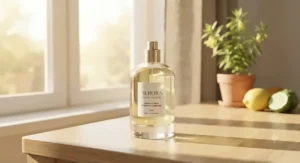
There’s a meaningful difference between building a signature scent for daily wear and choosing something for a wedding, a date night or a big presentation, and treating them as the same shopping decision is where a lot of buyer’s remorse comes from. A true daily signature needs to survive repetition — you’ll smell it hundreds of times a year, so anything too sweet, too heavy or too attention-seeking risks becoming genuinely tiring by month three. An occasion fragrance, by contrast, is judged almost entirely on its first impression, which is why heavier orientals and bold gourmands tend to dominate evening-wear recommendations.
Of the seven fragrances covered here, Chanel Chance Eau Fraîche, Marc Jacobs Daisy and Jo Malone London Peony & Blush Suede lean hardest toward sustainable daily signatures — restrained enough not to fatigue you or your colleagues over months of wear. Lancôme La Vie Est Belle and Yves Saint Laurent Libre can absolutely do double duty for evenings, but their richer profiles mean they reward slightly less frequent daily wear if you want them to still feel special for a bigger occasion. The practical takeaway: it’s genuinely reasonable to own two bottles rather than one — a quiet daily workhorse and a richer option kept specifically for evenings — rather than forcing a single fragrance to do both jobs.
Sample Discovery Sets: Test Before You Commit
Buying a full-size bottle blind is one of the more expensive mistakes in beauty shopping, and it’s almost entirely avoidable. Sample discovery sets — typically small vials of 1–5ml — let you test how a fragrance actually behaves on your specific skin chemistry over several hours, across different weather and at different times of day, before committing to a £70–£100 purchase. This matters more than it sounds: two people can wear the same fragrance and experience genuinely different dry-downs, because individual skin pH and oil levels interact with fragrance molecules differently.
A sensible approach is to sample three fragrances from different families rather than three similar ones — say, one floral, one gourmand and one woody-musk pick from the list above — since that tells you far more about your actual preferences than three near-identical florals would. Wear each sample for a full day rather than judging from the first ten minutes on a testing strip; the opening notes and the dry-down can be almost unrecognisable from each other, and it’s the dry-down you’ll be living with for most of the day. Several UK retailers and the brands themselves offer discovery or sampler formats specifically for this purpose, and the modest upfront cost is easily recovered by avoiding even one full-size bottle that turns out wrong for daily wear.
How to Choose an Everyday Perfume for Women: 6 Practical Criteria
- Match concentration to your day. An Eau de Toilette or Cologne suits warmer months and shared workspaces; an Eau de Parfum suits colder months and longer days away from a reapplication opportunity.
- Consider your existing fragrance family preferences. If you already gravitate toward gourmands or florals in candles, skincare or previous perfumes, that’s a genuinely reliable predictor for a new everyday pick.
- Factor in your workplace norms. Open-plan offices, healthcare settings and shared transport commutes all favour lighter projection over a bold, room-filling scent.
- Test on skin, not on paper. A testing strip shows you the top notes; only skin contact over several hours reveals the true dry-down and how it interacts with your body chemistry.
- Budget for cost-per-wear, not just sticker price. A £90 bottle with excellent longevity that lasts a year of daily wear can be better value than three £30 bottles bought and abandoned.
- Buy a sample before a full bottle wherever possible. It’s the single most effective way to avoid the most expensive version of buyer’s remorse in this category.
Common Mistakes When Buying an Everyday Fragrance
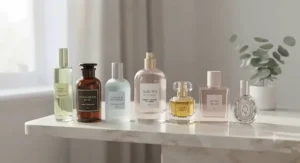
The most frequent mistake is judging a fragrance purely from the first spray in-store, when perfume counters are often saturated with competing scents and your nose is already fatigued from testing several others beforehand. A second common error is buying based solely on a celebrity name or packaging rather than the actual note pyramid — Ariana Grande Cloud‘s popularity, for instance, is genuinely earned on scent rather than branding alone, but that’s not true of every celebrity release on the market. A third mistake is assuming price guarantees longevity; concentration (EDT vs EDP vs Parfum) is a far stronger predictor of wear time than brand prestige. Finally, many buyers overlook seasonal suitability entirely, buying one fragrance to cover all twelve months when a lighter summer pick and a warmer winter pick genuinely each outperform a single “does everything” bottle.
Long-Term Cost & Value: What You’re Actually Paying For
A useful way to compare these seven fragrances isn’t just the sticker price but the realistic cost per wear. A 100ml bottle used at two to three sprays per day, worn roughly five days a week, typically lasts eight to twelve months depending on concentration and personal application habits. On that basis, even Yves Saint Laurent Libre at the top of this list’s price range works out to roughly the cost of a coffee-shop drink per wear across a year — a genuinely different picture from the upfront number alone. Lighter concentrations like Jo Malone London Peony & Blush Suede cost less per bottle but often get used up faster given the encouragement to reapply, which somewhat narrows the value gap between it and pricier, longer-lasting Eau de Parfum options. The honest conclusion: there’s no universally “best value” pick on this list — it depends entirely on how often you’re willing to reapply and how many wears you genuinely get from a bottle before it’s replaced or discarded unused.
Safety, Skin Sensitivity & UK Regulations Guide
Fragrance is one of the most common triggers for allergic contact dermatitis in the UK, and it’s worth taking seriously rather than dismissing as a minor inconvenience. According to the NHS’s guidance on contact dermatitis, cosmetic ingredients including fragrances are among the most frequently identified triggers for allergic skin reactions, alongside preservatives and hair dye. If a new fragrance causes redness, itching or a rash — particularly after repeated daily use, since sensitisation often builds over time rather than appearing on first contact — discontinuing use and speaking to a pharmacist or GP is the sensible next step, and patch testing through NHS dermatology services can identify the specific allergen responsible.
All seven fragrances covered in this guide are sold as compliant cosmetic products under UK cosmetic product safety regulation, which requires manufacturers to ensure products are safe for normal use and to list allergenic fragrance components on packaging where concentration thresholds require it. Practically, this means checking the ingredients list for common sensitisers like linalool or limonene is a genuinely useful habit for anyone with a known sensitivity, rather than relying on “natural” or “hypoallergenic” marketing claims alone, which aren’t independently regulated terms in the same way.
💡 Buying tip: apply a new fragrance to a small area of skin and wait 24–48 hours before full daily use if you have a history of skin sensitivity.
✨ Ready to Find Your Everyday Signature?
🔍 Take your daily fragrance rotation to the next level with these carefully researched picks. Click through to check current pricing and stock on any of the seven fragrances above, and consider starting with a sample if you’re torn between two options. A little research now saves a lot of regret on a bottle you’ll be wearing for months.
Frequently Asked Questions
❓ What is the best everyday perfume for women on a budget?
❓ How many sprays of perfume should I use for daily wear?
❓ Does Eau de Parfum last longer than Eau de Toilette?
❓ Can I wear the same perfume every day?
❓ How long does a bottle of everyday perfume typically last?
Conclusion
There’s no single “best” everyday perfume for women — only the right match for your skin, your week and your budget. If you want a genuinely balanced, all-season floral that won’t date, Marc Jacobs Daisy Eau de Toilette remains the safest recommendation on this list. Anyone testing the waters on a tighter budget should start with Ariana Grande Cloud Eau de Parfum, while office-heavy routines are best served by the restraint of Chanel Chance Eau Fraîche or the skin-close elegance of Jo Malone London Peony & Blush Suede. Colder months and longer days call for the staying power of Lancôme La Vie Est Belle, confident daily signatures point toward Yves Saint Laurent Libre, and anyone bored of the mainstream shelf should give Escentric Molecules Molecule 01 a genuine chance.
What ties all seven together is fit rather than fame — the right everyday fragrance for women is the one that survives repetition, suits your actual routine, and still feels like you on a perfectly ordinary Wednesday. Start with a sample if you’re torn, pay attention to how a scent behaves after a full day rather than the first ten minutes, and let concentration — not just brand name — guide how long you expect it to last. Get that right, and you’ll stop cycling through half-used bottles for good.
Recommended for You
- 7 Best Perfume Gift Set for Office Colleagues (2026 Guide)
- Travel Size Perfume for Work: 7 Best Handbag Picks (2026)
- Unisex Office Fragrance: 7 Clean Picks for Every Desk (2026)
Disclaimer: This article contains affiliate links. As an Amazon Associate, I earn from qualifying purchases. If you purchase products through these links, we may earn a small commission at no additional cost to you.
✨ Found this helpful? Share it with your friends! 💬🤗
