
In This Article
There’s something rather marvellous about catching a whiff of floral perfume on a dreary Tuesday morning commute through the Tube. Perhaps it’s the woman next to you wearing something deliciously rosy, or maybe it’s your own wrist radiating jasmine notes that transport you momentarily away from the grey skies outside. Floral perfume for women has held its position as the UK’s favourite fragrance family for decades, and in 2026, it shows absolutely no signs of budging.
What makes floral fragrances so enduringly popular among British women? The answer lies partly in their remarkable versatility and partly in our collective nostalgia for English gardens in bloom. Whether you’re popping to Sainsbury’s in your joggers or attending a proper evening do in the City, there’s a floral scent that fits. Modern formulations have evolved far beyond your grandmother’s powdery violets—today’s floral perfumes layer rose with unexpected black pepper, jasmine with earthy patchouli, and peony with warming vanilla to create sophisticated, multi-dimensional scents that transition beautifully from desk to dinner.
The current trend in British perfumery leans towards what industry insiders call “soft florals”—fragrances that whisper rather than shout, that layer delicate petals with warm, skin-like musks rather than competing with the wearer. This shift reflects our increasingly nuanced understanding of fragrance as personal expression rather than decoration. After sampling dozens of floral perfumes available on Amazon.co.uk and consulting fragrance notes from trusted sources including Which? consumer reviews, I’ve identified the seven standout options that balance quality, longevity, and that ineffable romantic quality we’re all chasing.
Quick Comparison: Top Floral Perfumes at a Glance
| Product | Key Notes | Price Range | Best For | Rating |
|---|---|---|---|---|
| Chanel No. 5 | Jasmine, Rose, Sandalwood | £90-£140 | Evening elegance | 4.7/5 |
| Dior J’adore | Ylang-ylang, Rose, Jasmine | £70-£120 | Romantic occasions | 4.6/5 |
| Marc Jacobs Daisy | Violet, Jasmine, Strawberry | £25-£55 | Daily wear | 4.6/5 |
| Lancôme La Vie Est Belle | Iris, Patchouli, Vanilla | £50-£95 | All-occasion | 4.5/5 |
| Davidoff Cool Water Woman | Lotus, Jasmine, Melon | £15-£30 | Budget-friendly | 4.4/5 |
| Jo Malone Peony & Blush Suede | Peony, Rose, Apple | £50-£90 | Sophisticated daily | 4.5/5 |
| Dolce & Gabbana Dolce Peony | Peony, Plum, Cedar | £45-£85 | Spring/summer | 4.3/5 |
💬 Just one click — help others make better buying decisions too! 😊
Top 7 Floral Perfumes for Women: Expert Analysis
1. Chanel No. 5 Eau de Parfum
The grande dame of floral perfumery needs little introduction, though it deserves more credit than its iconic status might suggest. Chanel No. 5 blends aldehydes with jasmine, rose, and sandalwood to create what perfumers call a “floral aldehyde”—essentially, a bouquet that’s been given a sparkling, almost effervescent lift. The 100ml bottle typically sits in the £120-£140 range on Amazon.co.uk, whilst the 50ml hovers around £90-£100.
What most buyers overlook about No. 5 is its remarkable adaptability to British weather. The composition was designed in 1921 for a pre-air conditioning world, which means it performs beautifully in our temperate climate without becoming cloying. The aldehydes act as natural preservatives, extending the scent’s lifespan on skin even through a damp autumn drizzle. This is a perfume that improves with age—both the juice in the bottle and your relationship with it. First-time wearers often find it challenging, even old-fashioned. Give it six months of occasional wear, and you’ll understand why it remains the world’s best-selling prestige fragrance nearly a century after launch.
Who this suits: Women seeking a sophisticated signature scent for formal occasions, evening events, or professional settings where you want to project quiet confidence without saying a word. Particularly flattering on mature skin, where the warmer base notes harmonise beautifully with natural body chemistry.
UK buyers consistently praise its longevity—one spritz genuinely lasts eight to ten hours, which means that eye-watering price per millilitre becomes rather more reasonable when calculated per wear. The refillable bottle option also appeals to environmentally conscious Brits who appreciate luxury with less waste.
Pros:
✅ Legendary staying power (8-10 hours minimum)
✅ Timeless elegance that never dates
✅ Available in refillable formats to reduce environmental impact
Cons:
❌ Premium pricing that’s beyond many budgets
❌ Can feel overwhelming in confined spaces (go easy on the Tube!)
Current pricing on Amazon.co.uk: around £90-£140 depending on bottle size
2. Dior J’adore Eau de Parfum
If Chanel No. 5 is the elegant aunt who wears pearls to breakfast, Dior J’adore is her vivacious younger sister who knows how to work a room. This luscious floral bouquet centres on ylang-ylang, damask rose, and jasmine sambac—three of perfumery’s most opulent flowers. The result reads as simultaneously fresh and sensual, a trick Dior achieves through careful balancing of top notes (mandarin) against a creamy base of Indonesian patchouli.
The 50ml bottle typically costs £70-£85 on Amazon.co.uk, whilst the 100ml ranges from £100-£120. What you’re paying for here is ingredient quality that shows—the jasmine absolute comes from Grasse in southern France, whilst the damask rose is sourced from Turkey. These aren’t synthetic approximations but genuine botanical extracts, which explains both the price and the perfume’s photorealistic floral character.
What British buyers need to know: J’adore performs differently depending on your skin’s pH and the ambient temperature. In our cooler UK climate, it tends to stay closer to the skin than it might in warmer Mediterranean countries, creating an intimate scent bubble rather than a projecting cloud. This makes it office-appropriate in a way it mightn’t be elsewhere. That said, the sillage (scent trail) picks up noticeably in heated indoor spaces, so one spritz is genuinely enough for most occasions.
Who this suits: Romantic souls who appreciate classically feminine fragrances without veering into grandmotherly territory. Perfect for date nights, weddings, anniversary dinners, or any occasion where you want to feel thoroughly gorgeous. The scent has enough presence to anchor formal attire but wears equally well with jeans and a cashmere jumper.
Pros:
✅ Stunningly beautiful floral composition using premium natural ingredients
✅ Moderate sillage that’s noticeable without being aggressive
✅ The champagne-gold bottle is genuinely beautiful enough to display
Cons:
❌ Longevity is respectable but not exceptional (4-6 hours on skin, longer on clothing)
❌ Premium pricing reflects luxury positioning
Current pricing on Amazon.co.uk: £70-£120 range depending on size
3. Marc Jacobs Daisy Eau de Toilette
Here’s where things get considerably more affordable without sacrificing quality. Marc Jacobs Daisy represents the sweet spot between budget and designer territory, with 100ml bottles hovering around £25-£40 on Amazon.co.uk—remarkable value for a fragrance that punches well above its price bracket. The scent profile features wild strawberry, violet leaves, jasmine, and gardenia, creating what I’d describe as “optimistic floral”—the olfactory equivalent of a sunny May morning in Hyde Park.
The composition leans youthful and playful rather than sophisticated and complex, which isn’t a criticism so much as a character note. This is the perfume equivalent of a floaty summer dress rather than a tailored evening gown—both have their place. British buyers particularly appreciate Daisy during spring and summer months when its light, fruity-floral character feels most appropriate. Come November, you might find yourself reaching for something with more heft.
The UK weather reality check: Being an eau de toilette rather than eau de parfum, Daisy’s concentration sits around 8-12% fragrance oil compared to EDP’s 15-20%. This means shorter longevity—expect three to four hours on skin before requiring a refresh. The upside? You can reapply without worrying about becoming overpowering, and the lower concentration makes it kinder to sensitive skin. Many British buyers keep a travel-size atomiser in their bag for top-ups throughout the day.
Who this suits: Younger women (teens through thirties) seeking an approachable, wear-anywhere floral that won’t intimidate. Brilliant for students, first-job professionals, or anyone who prefers fragrance as a subtle personal signature rather than a statement. The whimsical daisy-topped bottle also makes this a popular gift choice.
Pros:
✅ Outstanding value—designer quality at high-street pricing
✅ Light enough for daily wear without fatiguing your nose
✅ Widely available with excellent Amazon.co.uk Prime delivery options
Cons:
❌ Modest longevity requires midday reapplication
❌ Sweetness might feel cloying to those who prefer strictly green or woody scents
Current pricing on Amazon.co.uk: £25-£55 depending on size and current offers
4. Lancôme La Vie Est Belle Eau de Parfum
Lancôme’s happiness-in-a-bottle creation sits firmly in the floral gourmand category—think traditional flower bouquet dunked headfirst into a pot of vanilla custard, then dusted with praline. The signature iris note (sourced from Grasse) provides an elegant powdery quality, whilst patchouli from Bali adds unexpected depth. Jasmine sambac and orange blossom round out the floral heart, but make no mistake—the vanilla and tonka bean base is what makes this fragrance so thoroughly addictive.
The 50ml typically ranges £50-£70 on Amazon.co.uk, whilst the 100ml hovers around £80-£95. Lancôme now offers a refillable system, which appeals to eco-conscious British buyers—the 100ml refill contains 74% less glass than buying two separate 50ml bottles.
What makes this particularly suited to UK wear: The gourmand base notes actually benefit from our cooler climate. In hot weather, very sweet perfumes can become sticky and cloying; in temperate Britain, they create a cosy, enveloping warmth that’s genuinely comforting during those endless grey months. I tested this through a proper Manchester winter, and the vanilla-patchouli combination felt like olfactory central heating—a small daily luxury during grim weather.
Who this suits: Women across all age groups who enjoy fragrances that radiate warmth and approachability. This is the perfume equivalent of a cashmere jumper—luxurious but comforting, elegant but not intimidating. Particularly lovely for autumn and winter wear, though the lighter iris top notes make it surprisingly wearable year-round. UK buyers consistently mention receiving compliments when wearing this, which speaks to its crowd-pleasing nature.
Pros:
✅ Excellent longevity (6-8 hours) with moderate sillage
✅ Refillable system reduces waste and long-term cost
✅ Universally appealing scent that works across age groups
Cons:
❌ Sweetness won’t appeal to those who prefer strictly fresh or green florals
❌ Premium positioning means it’s pricier than high-street alternatives
Current pricing on Amazon.co.uk: £50-£95 depending on size
5. Davidoff Cool Water Woman Eau de Toilette
Now we’re into proper budget-friendly territory, and Davidoff Cool Water Woman proves you needn’t spend a fortune for a perfectly decent floral fragrance. The 100ml bottle typically costs £15-£25 on Amazon.co.uk—less than a couple of lattes, which puts its value proposition in rather stark perspective. Launched in 1996, this aquatic floral combines melon, lotus, jasmine, and sandalwood to create something fresh, unpretentious, and thoroughly wearable.
The term “aquatic floral” might sound like marketing waffle, but it’s actually rather descriptive here. Imagine traditional jasmine and rose notes given a bracing splash of cool water—the floral elements are definitely present but rendered crisp and clean rather than heavy or powdery. This makes Cool Water Woman particularly appealing during British summer months or for post-gym wear when you want freshness above all else.
The reality for UK buyers: At this price point, you’re getting synthetic rather than natural ingredients, and that does affect both complexity and longevity. Expect around two to three hours before the scent fades to a skin scent, at which point you’ll need to reapply if you want to maintain presence. The upside? The bottle’s large enough that liberal application won’t break the bank, and the scent is light enough that over-spraying won’t gas out your office mates.
Who this suits: Budget-conscious buyers, students, or anyone building their first fragrance wardrobe without major financial commitment. Also brilliant as a gym bag scent, holiday travel perfume (you won’t weep if airport security confiscates it), or for keeping in your desk drawer for emergency freshening. The nostalgic nineties vibe also appeals to millennials who remember this scent from their teenage years.
Pros:
✅ Outstanding value—designer brand at pocket-change pricing
✅ Fresh, clean scent that’s genuinely pleasant if uncomplicated
✅ Large bottle size means generous daily use won’t empty it quickly
Cons:
❌ Limited longevity requires regular reapplication
❌ Synthetic ingredients create a somewhat flat, linear scent progression
Current pricing on Amazon.co.uk: £15-£30 for 100ml
6. Jo Malone London Peony & Blush Suede Cologne
Jo Malone’s approach to fragrance differs notably from traditional perfume houses—their “colognes” use lighter concentrations designed for layering rather than solo wear, though Peony & Blush Suede performs perfectly well on its own. The composition centres on peonies in voluptuous bloom, accented with red apple for a juicy freshness, and grounded by suede accord that adds unexpected sophistication.
The 100ml bottle typically ranges £70-£95 on Amazon.co.uk, whilst the 30ml sits around £50-£65. That pricing might seem steep for what’s technically a cologne (lighter than eau de toilette), but Jo Malone’s cult following in Britain speaks to their mastery of wearable, thoroughly British scent sensibilities.
What British buyers appreciate: This perfume smells exactly like an English garden in late May when peonies reach their blowsy, almost obscene peak of bloom. The suede accord adds a skin-like warmth that makes the fragrance feel intimate rather than projecting aggressively—very much in keeping with British preferences for subtle rather than shouty scents. The signature Jo Malone cream and black packaging also elevates this into proper treat territory; it’s the sort of thing you’d be genuinely pleased to unwrap on your birthday.
Who this suits: Sophisticated dressers who appreciate quality over quantity. This fragrance appeals across generations but seems particularly beloved by women in their thirties and beyond who’ve moved past experimental fragrance phases into knowing exactly what works for them. Lovely for work settings, lunch with friends, or that peculiarly British social occasion: afternoon tea.
Pros:
✅ Beautifully realistic peony note that captures the actual flower
✅ Elegant packaging worthy of display rather than cupboard storage
✅ Designed for layering with other Jo Malone scents if desired
Cons:
❌ Cologne concentration means moderate longevity (3-4 hours)
❌ Premium British brand pricing reflects luxury positioning
Current pricing on Amazon.co.uk: £50-£95 depending on size
7. Dolce & Gabbana Dolce Peony Eau de Parfum
Rounding out our selection, D&G Dolce Peony offers Italian luxury house credentials at relatively accessible pricing. The 75ml bottle typically costs £45-£75 on Amazon.co.uk, positioning it in that appealing middle ground between high street and proper luxury. The fragrance centres on peony absolute, accented with mirabelle plum for fruity sweetness and Virginian cedarwood for woody depth.
What distinguishes this from cheaper floral fragrances is the quality of the peony recreation. Actual peonies can’t be extracted for their essential oils—the scent is too delicate to survive the process—so perfumers must reconstruct the smell using other materials. D&G’s version captures that fresh, slightly green, thoroughly feminine character beautifully, avoiding the soapy quality that mars lesser peony fragrances.
Performance in British conditions: The eau de parfum concentration delivers respectable longevity—five to six hours on skin, extending to eight or more on clothing. The scent performs particularly well during transitional seasons (spring and autumn) when temperatures hover in that pleasant 12-18°C range. In our occasional summer heatwaves, the fruity plum note can become a touch too sweet; conversely, during proper winter cold, it loses some of its floral brightness.
Who this suits: Women seeking a modern take on floral perfumery that feels fresh rather than dated. The packaging—a pale pink flacon—clearly signals feminine intent, so this isn’t for those favouring androgynous or unisex scents. Perfect for spring weddings, garden parties, or brightening up those endless grey British weeks when you need olfactory sunshine.
Pros:
✅ Beautifully balanced floral-fruity-woody composition
✅ Luxury house quality at (relatively) accessible pricing
✅ Elegant bottle that photographs well for fragrance collectors
Cons:
❌ Seasonal limitations—performs best in moderate temperatures
❌ Sweetness level won’t appeal to those preferring strictly sophisticated compositions
Current pricing on Amazon.co.uk: £45-£85 for 75ml
✨ Don’t Miss These Exclusive Deals!
🔍 Take your fragrance collection to the next level with these carefully selected products. Click on any highlighted item to check current pricing and availability on Amazon.co.uk. These picks will help you find exactly what you need!
How Floral Perfumes Have Evolved: From Your Grandmother’s Violets to Modern Sophistication
The floral fragrances your grandmother wore in the 1960s bear little resemblance to what we’re spritzing in 2026, despite sharing the same botanical inspirations. Historical floral perfumes relied heavily on a limited palette of natural extracts—rose absolute, jasmine sambac, violet leaf, perhaps some orange blossom if you were feeling extravagant. The results often skewed powdery, soapy, or overwhelmingly sweet because perfumers lacked the tools to capture flowers’ more nuanced characteristics.
Modern floral perfumery benefits from advances in both extraction technology and synthetic chemistry. According to research from fragrance industry analysts, today’s perfumers can recreate scent molecules that don’t exist in nature, allowing them to capture the smell of flowers that refuse to give up their essence (peonies, freesias, lilacs) or to emphasise particular aspects of a flower whilst suppressing others. Want rose without the accompanying medicinal phenolic notes? Synthetics make that possible. Jasmine without the slightly animalic indolic undertones? Same solution.
This technological evolution has democratised luxury. The gap between a £15 high-street floral and a £150 designer version has narrowed considerably in terms of pure scent quality—though differences in ingredient sourcing, longevity, and bottle design remain significant. British buyers benefit particularly from this levelling effect, as our market’s competitive pricing keeps even premium brands relatively accessible compared to, say, the American or Asian markets.
The current trend towards “clean” and sustainable perfumery is reshaping floral fragrances in interesting ways. Brands now highlight sustainably sourced ingredients—Lancôme’s Bali-grown patchouli, Chanel’s Grasse jasmine, Dior’s Turkish rose—responding to consumer demand for transparency. The UK’s strengthened post-Brexit regulations around ingredient disclosure and cosmetic safety have pushed brands to provide more detailed information about what’s actually in that pretty bottle.
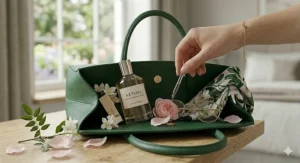
Understanding Floral Fragrance Families: More Than Just “Smells Like Flowers”
The perfume industry categorises floral fragrances into several distinct subfamilies, each with characteristic moods and ingredients. Understanding these can help you navigate the overwhelming choice on Amazon.co.uk’s fragrance section rather more intelligently.
Soliflores: Single Flower Focus
A soliflore centres on recreating one specific flower as accurately as possible. Examples include Jo Malone’s Peony & Blush Suede (peony-focused) or any of the countless rose soliflores available. These fragrances appeal to purists who want to smell like an actual flower rather than a perfumer’s interpretation of “floral.”
The British market particularly favours rose soliflores, perhaps unsurprisingly given our national obsession with English gardens. However, truly realistic soliflores can feel rather one-dimensional over extended wear—they’re lovely for an hour or two but lack the complexity to remain interesting all day.
Floral Bouquets: Harmonised Complexity
Most commercial florals fall into this category, combining multiple flower notes to create something greater than the sum of its parts. Chanel No. 5’s jasmine-rose-ylang ylang trio, Dior J’adore’s elaborate bouquet, La Vie Est Belle’s iris-jasmine-orange blossom heart—these are all floral bouquets. The art lies in balancing the flowers so none dominates whilst creating a harmonious whole.
British perfumers excel at floral bouquets, possibly because our temperate climate produces gardens where multiple flowers bloom simultaneously rather than in succession. We’re culturally primed to appreciate complex floral combinations.
Floral Aldehydes: Sparkling Sophistication
Adding aldehydes to floral compositions creates an effervescent, almost champagne-like quality. The aldehydes lift and brighten the florals whilst adding a soapy, clean-linen character that many find elegant. Chanel No. 5 pioneered this category and remains its most famous example.
Floral aldehydes perform beautifully in British weather—the aldehydes’ volatile nature means they project nicely even in cool temperatures, whilst the floral base notes have enough substance to persist. They do tend to skew mature in perception; younger wearers often find them challenging.
Floral Gourmands: Sweet Indulgence
Combining flowers with edible notes—vanilla, praline, caramel, tonka bean—creates floral gourmands. Lancôme La Vie Est Belle exemplifies this category, as does Viktor & Rolf’s Flowerbomb. These fragrances satisfy our desire for both beauty and comfort, the olfactory equivalent of flowers and cake simultaneously.
British buyers have embraced floral gourmands enthusiastically, perhaps because they provide olfactory warmth during our long grey months. They do require weather consideration—what feels cosy in November can overwhelm in July.
The Science of Making Floral Perfumes Last All Day (Even Through British Rain)
One of the most common complaints about floral perfumes concerns their longevity, or rather lack thereof. Those delicate floral top notes evaporate frustratingly quickly, leaving you wondering whether you’ve imagined the entire experience. Understanding perfume structure helps maximise what you’ve paid for.
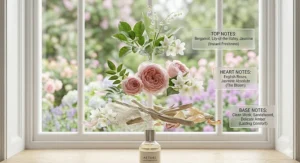
Perfumes are structured in layers—top notes (what you smell immediately), heart notes (emerging after 10-30 minutes), and base notes (the foundation lasting hours). Floral notes typically sit in the top and heart, which explains their fleeting nature. The base notes—woods, musks, vanilla, patchouli—provide longevity but often bear little relation to the initial floral impression you purchased the perfume for.
Application Strategies for British Weather
Our climate presents specific challenges. High humidity (which we have in abundance) actually helps perfume project and last because scent molecules disperse more readily in moisture-heavy air. The downside? That same moisture can make fragrances smell different from how they perform in drier climates. Test perfumes during typical British weather rather than assuming they’ll perform identically to how they smelled on holiday in Barcelona.
Pulse points remain the classic application sites for good reason—your wrists, neck, behind ears, and inside elbows emit heat that volatilises the fragrance. However, the current trend for applying perfume to clothing and hair has scientific merit. Fragrance molecules cling to fabric fibres far longer than to skin, extending wear time considerably. The trade-off? You sacrifice some of the scent’s evolution as it interacts with your skin’s natural oils and warmth.
Layering products extend longevity significantly. Using a scented body lotion or shower gel in the same fragrance family before applying perfume creates multiple scent layers that reinforce each other. Many premium brands—including several in our top seven—offer matching body care ranges precisely for this purpose.
Storage Matters More Than You Think
That pretty perfume display on your windowsill? It’s slowly destroying your fragrances. Light, heat, and air exposure degrade perfume oils, particularly delicate floral notes. Store perfumes in their original boxes, in a cool, dark cupboard—not your bathroom (too humid) or dressing table (too much light). Properly stored floral perfumes maintain their character for two to three years minimum; poorly stored ones can turn within months.
The British climate actually favours perfume preservation—our moderate temperatures avoid the extremes that accelerate degradation. Still, that bottle you keep in your handbag? Consider decanting a week’s worth into a travel atomiser rather than exposing the entire bottle to temperature fluctuations and light.
Floral Perfumes for Different Occasions: Matching Scent to British Social Situations
British social occasions come with unspoken scent etiquette that’s rather more nuanced than simply “wear something nice.” Understanding these codes helps you avoid fragrance faux pas whilst maximising impact.
The Office: Subtle Sophistication Required
British workplace culture favours restraint over projection. Your colleagues shouldn’t smell you before seeing you—that’s the general rule. Light floral aldehydes (Chanel-style) or fresh aquatic florals (Cool Water Woman) work beautifully because they create a subtle scent bubble rather than filling entire rooms. One spritz is genuinely sufficient for office wear; two might provoke passive-aggressive comments in the break room.
Consider that open-plan offices, increasingly common across the UK, amplify fragrance presence. What feels subtle in your morning application can become overwhelming by 2pm in a stuffy meeting room with twenty other people. Many British women keep a travel-size atomiser at their desk for post-lunch refreshing rather than front-loading application.
Formal Events: Permission to Project
Weddings, gala dinners, evening receptions—these occasions permit more substantial fragrance presence. Richer floral bouquets like Dior J’adore or floral gourmands like La Vie Est Belle suit the formality whilst providing enough projection to carry across conversation distance. British evening events often involve considerable air-kissing (we’re terrible at it but persist regardless), making your fragrance an integral part of greeting rituals.
Weather considerations matter here too. Summer garden parties in British weather mean potential rain, wind, or that peculiar damp chill we get in July. Perfumes need sufficient substance to survive these conditions whilst remaining appropriate to the season. Autumn and winter events in heated venues require more restraint—central heating amplifies fragrance considerably.
Dates and Romance: The Confidence Multiplier
There’s actual scientific research suggesting that wearing perfume you love boosts confidence, which in turn affects how you present yourself romantically. Choose scents you genuinely enjoy rather than what you think might appeal to a potential partner—your confidence matters more than hitting some theoretical “most attractive” fragrance.
That said, floral scents with subtle gourmand or vanilla elements (La Vie Est Belle, D&G Dolce Peony) tend to test well for romantic appeal across broad demographics. The sweetness registers as approachable and feminine without overwhelming, whilst the floral elements provide sophistication.
Casual Weekend Wear: Playful and Personal
Saturdays browsing farmers’ markets or Sunday pub lunches with friends permit more experimental choices. This is where lighter, more casual florals like Marc Jacobs Daisy shine—uncomplicated, cheerful scents that match relaxed clothing and informal settings. You can layer more liberally because projection matters less when you’re outdoors or in casual environments.
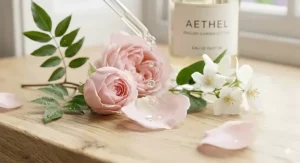
Common Mistakes When Buying Floral Perfumes (And How British Buyers Can Avoid Them)
After reviewing hundreds of customer comments on Amazon.co.uk and fragrance forums, several buying mistakes emerge repeatedly. Learning from others’ expensive errors saves both money and disappointment.
Mistake #1: Buying Without Testing on Your Skin
The perfume that smells divine on the test strip or your friend’s wrist might transform into something quite different on yours. Skin chemistry—your natural oils, pH levels, even diet—dramatically affects how fragrances develop. What reads as romantic jasmine on one person becomes screechy indolic nightmare on another.
Solution: Order sample sizes or discovery sets when available (many premium brands offer these). For Amazon.co.uk purchases, check whether the seller offers smaller bottles or gift sets containing multiple scents. Test the perfume for a full day before committing to a full bottle—morning application might smell lovely whilst the afternoon drydown proves unwearable.
Mistake #2: Ignoring Seasonal Appropriateness
That heavy floral gourmand you adored in November might become cloying come June. British weather cycles through substantial temperature and humidity variations, each affecting how perfume performs. Sweet, heavy florals suit our cool months; light, fresh florals handle warmer weather better.
Solution: Build a seasonal rotation rather than one signature scent. A 50ml bottle should last months even with daily wear, making multiple smaller bottles more practical than one enormous flacon. Spring/summer florals stay fresh and bright; autumn/winter florals can indulge in richer, more complex compositions.
Mistake #3: Assuming Price Equals Quality
Expensive doesn’t automatically mean better suited to your preferences or skin chemistry. The £140 prestige perfume might indeed use superior ingredients and offer better longevity than the £25 high-street version, but if you dislike how it smells on you, that quality becomes irrelevant. Similarly, some budget perfumes offer surprising quality—Davidoff Cool Water Woman proves you needn’t spend a fortune for pleasant, wearable fragrance.
Solution: Set a comfortable budget reflecting what you can afford without anxiety, then explore across the price spectrum within that range. Don’t assume the most expensive option will automatically become your favourite.
Mistake #4: Buying Blind Based Solely on Notes Lists
Reading “jasmine, rose, vanilla” tells you what ingredients the perfumer used but nothing about how they interact or what the finished perfume actually smells like. Two perfumes with identical notes lists can smell completely different because perfumery is art, not chemistry.
Solution: Seek out detailed reviews from people with similar taste profiles to yours. Amazon.co.uk’s customer review sections, whilst imperfect, provide genuine use experiences rather than marketing copy. Look for comments about longevity, projection, and how the scent develops over hours rather than just initial impressions.
Mistake #5: Storing Improperly Then Wondering Why It’s Changed
Bathroom windowsill storage—the most common mistake British perfume buyers make—subjects fragrances to heat, light, humidity fluctuations, and all manner of degrading influences. That gorgeous floral you purchased six months ago now smells off because you’ve essentially baked it repeatedly.
Solution: Original box, cool dark cupboard, away from windows. Not complicated, rarely followed. If you must display perfumes visibly, choose a spot without direct sunlight and away from radiators. Keep your most-worn fragrances accessible; consign special-occasion bottles to proper storage between uses.
Frequently Asked Questions About Floral Perfumes
❓ How long does floral perfume actually last on skin in British weather?
❓ Are expensive floral perfumes worth the money compared to budget options?
❓ Can I wear floral perfume to work without annoying colleagues?
❓ Do floral perfumes go off, and how can I tell if mine has?
❓ Which floral perfume notes last longest throughout the day?
Why British Women Are Choosing Sustainable and Ethical Floral Perfumes
The British market has embraced sustainable perfumery with particular enthusiasm, reflecting broader cultural shifts towards environmental consciousness. Recent data from market researchers suggests UK fragrance buyers increasingly factor sustainability into purchasing decisions alongside traditional criteria like scent and price.
Refillable systems have gained significant traction. Lancôme’s refillable La Vie Est Belle bottles reduce glass consumption by 74% and plastic by 63% compared to purchasing multiple new bottles—figures that resonate with environmentally minded British consumers. Chanel, Dior, and other luxury houses have followed suit, recognising that sustainability can coexist with luxury positioning.
Ingredient sourcing transparency matters increasingly to UK buyers. Brands highlighting fair-trade partnerships, sustainable cultivation, and community support gain favour. Dior’s Osmanthus programme in Grasse, which protects traditional flower farming whilst ensuring quality, represents the sort of initiative British consumers appreciate and reward with loyalty.
Clean fragrance formulations free from potentially harmful synthetics appeal particularly to health-conscious British buyers. However, “clean” marketing requires scrutiny—some synthetics actually prove more sustainable than natural alternatives requiring extensive cultivation and extraction. The British Cosmetic Standards ensure ingredient safety regardless of natural or synthetic origin.
Local and British-made options carry special appeal, though true British perfume houses remain relatively rare compared to French or Italian dominance. Jo Malone represents British perfumery on the world stage, whilst smaller artisan perfumers like Penhaligon’s maintain traditional British scent profiles updated for contemporary tastes.
The challenge for consumers lies in distinguishing genuine sustainability from greenwashing marketing. UK regulations require substantiation of environmental claims, but brands still find creative ways to suggest ecological credentials they might not fully possess. Reading beyond marketing copy to actual ingredient lists, sourcing information, and third-party certifications helps British buyers make truly informed sustainable choices.
Conclusion: Finding Your Perfect Floral Signature in 2026
Navigating the world of floral perfume for women needn’t overwhelm despite the seemingly endless choice available on Amazon.co.uk. The seven perfumes detailed here span the spectrum from budget-friendly to investment pieces, from delicate soliflores to complex gourmands, from casual daily wear to special-occasion elegance. Each has earned its place through genuine quality and strong performance in British conditions rather than marketing hype alone.
Your perfect floral perfume likely already exists among these options—the trick lies in honest assessment of your preferences, lifestyle, and budget. The sophisticated professional might gravitate towards Chanel or Dior’s elegance; the budget-conscious student could find genuine satisfaction in Davidoff or Marc Jacobs; the romantic soul seeking everyday luxury might discover happiness in La Vie Est Belle or Jo Malone.
Remember that perfume purchasing represents personal pleasure rather than practical necessity. The “best” floral perfume isn’t the one with the highest price tag or most prestigious brand—it’s the one that makes you smile when you catch its scent hours after application, the one you reach for automatically when dressing for important moments, the one that becomes so thoroughly associated with you that friends and family think of you when they encounter it elsewhere.
British perfume culture favours subtle sophistication over aggressive projection, quality over quantity, and enduring classics over fleeting trends. These preferences have shaped our market into one of the world’s most discerning, which means the floral perfumes succeeding here have proven themselves against genuinely high standards. Whether you invest £20 or £120, you’re accessing options that meet those standards whilst suiting your individual needs.
The journey towards finding your signature floral scent should bring pleasure rather than stress. Sample generously, apply thoughtfully, and trust your own nose over anyone else’s recommendations—including mine. After all, you’re the one who’ll be wearing it every day, and your happiness with the choice matters far more than achieving some theoretical “perfect” selection.
Recommended for You
- 7 Best Perfume for Women UK 2026
- 7 Best Fruity Chypre Scent Long Lasting Perfumes UK 2026
- 7 Best Modern Chypre Perfume Women – UK Expert Guide 2026
Disclaimer: This article contains affiliate links. As an Amazon Associate, I earn from qualifying purchases. If you purchase products through these links, we may earn a small commission at no additional cost to you.
✨ Found this helpful? Share it with your mates! 💬🤗
